
Creating spaces for wellness, connection, and retreat.
Architecture and design grounded in natural materials and the rhythms of the Caribbean.
We build environments where people breathe deeper and reconnect with what matters.
What we design
Spaces shaped by intention, land, & lifestyle
We partner with clients who are creating environments for transformation. These are places where people can breathe deeper, move slower, and reconnect with themselves and each other. Our work centers on thoughtful, nature-led design across three core typologies.

Retreat and wellness
Yoga decks, meditation pavilions, treatment rooms, and communal gathering areas designed for presence and restoration.

Boutique hotels and eco-stays
Intimate accommodations that feel deeply of their place, welcoming guests into a calm, sensory-rich experience.

Community and multi-purpose
Flexible environments where people can work, gather, learn, and celebrate, from digital nomad hubs to small festivals.

Study the land
We learn the land, climate, and your vision through site reviews, early conversations, and an understanding of how the space should feel and function.

Sketch possibilities
We explore possibilities through hand sketches, model studies, and guided AI imagery to test ideas before any decisions are set.

Prepare details
We develop detailed drawings and technical documents that translate the concept into clear, buildable information for engineers and contractors.

Build with intent
We stay involved throughout construction to guide the process, review details, and ensure the finished space reflects the intention we began with.
Featured work
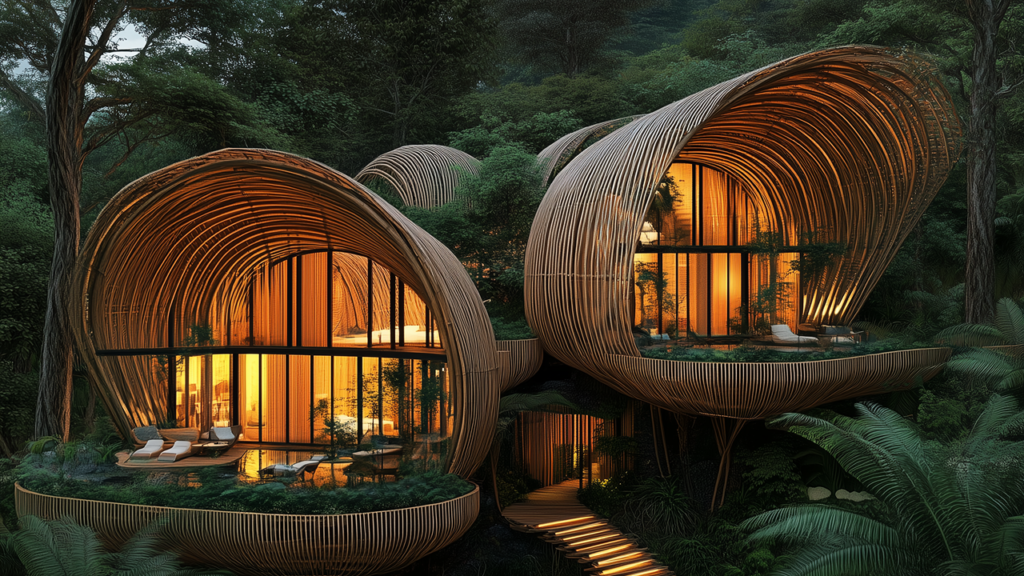
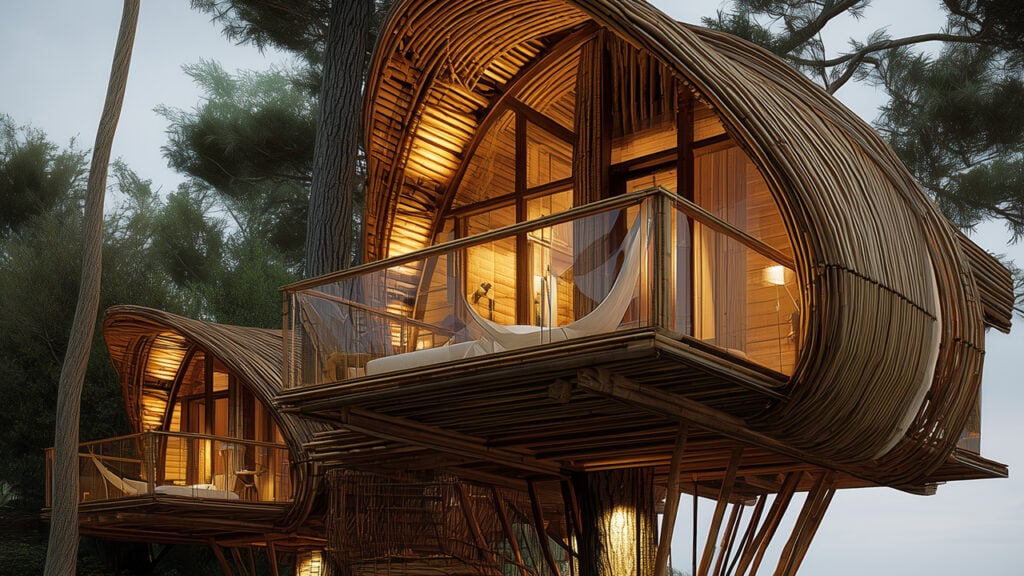
A curated selection of IWA’s recent and ongoing projects, each exploring how natural materials can shape retreats, wellness environments, and community-centered spaces across the Caribbean.

About
Rooted in character. Guided by wonder.
“Iwa” in Yoruba speaks to essence and character, who you are when you stop trying so hard.
IWA exists to design spaces that are aligned with that deeper self. Calm, considered environments that support wellbeing, invite play, and feel like they were always meant to be there.
Led by architect Reva Watson, IWA draws from Caribbean landscapes and global experience, including time spent studying bamboo architecture in Bali. The practice blends technical mastery with intuitive understanding, honoring both engineering and emotion.
We design for who you are becoming, not just who you are today.
FAQs
Questions about working with IWA and our design process
Is bamboo construction approved by local Caribbean building authorities?
Yes. Bamboo structures can be approved once they meet national building codes and are supported by certified engineering designs. Our practice prepares full structural, architectural, and material documentation to ensure smooth submission and approval with local planning authorities
Are there specific building codes or standards for bamboo in the Caribbean?
While the region does not yet have unified bamboo codes, approvals can be based on international standards such as ISO 22156 (Structural Design Using Bamboo) and ISO 19624 (Bamboo Charcoal & Preservation). We adapt these to local requirements and provide engineers’ certifications to satisfy regulatory bodies.
Do I need special permits for bamboo buildings?
No special permit is required—bamboo buildings are treated similarly to timber structures. However, depending on the project size, environmental permissions or structural review stamps may be needed. We manage the entire approvals process on your behalf.
Will insurance companies cover bamboo structures?
Yes. Once the structure is engineered and certified, insurance providers classify it similarly to other alternative materials (like timber or light-gauge steel).
Is bamboo strong enough for structural buildings?
Absolutely. Structurally graded bamboo has a tensile strength higher than steel (per weight) and compressive strength comparable to concrete. When engineered correctly, bamboo performs exceptionally well in hurricanes and earthquakes.
How long does a bamboo building last?
A properly treated and detailed bamboo structure can last 30–50+ years. Longevity depends on correct species selection, preservation treatment, protection from moisture, and routine maintenance—just like any natural material.
Is bamboo safe for hurricane-prone regions?
Yes. Engineered bamboo structures have high flexibility and low mass, making them extremely resilient during high-wind events. We design all projects to meet or exceed Caribbean hurricane-resistance criteria.
Does bamboo attract termites or pests?
Untreated bamboo is susceptible, but we only use professionally treated and cured structural bamboo that meets ISO standards for pest resistance. Proper detailing keeps bamboo protected from ground contact and moisture—drastically reducing risks.
Why choose bamboo over traditional timber or concrete?
Bamboo is one of the world’s fastest-growing renewable materials. It sequesters carbon, regenerates within 3–5 years, and reduces construction’s environmental footprint. It is ideal for eco-resorts, housing, and regenerative developments in the Caribbean.
Is bamboo locally available in the Caribbean?
Several Caribbean islands have bamboo species, and more plantations are emerging. We modify the construction methods based on the species available locally.
What treatments are used, and are they environmentally safe?
We use boron-based treatments, which are non-toxic, environmentally safe, and widely accepted in green building standards.
Can bamboo be combined with concrete, steel, or wood?
Yes. Hybrid systems are common. Bamboo works extremely well with concrete foundations, steel connections, and timber components, allowing flexible design solutions.
What types of buildings can be made from bamboo?
From residential homes and eco-lodges to pavilions, bridges, and commercial spaces—bamboo can be used structurally or decoratively in many applications.
How long does construction take?
Small pavilions or cabins may take 4–8 weeks, while larger buildings may take 3–6 months depending on complexity, approvals, and site conditions.
Is bamboo more expensive than traditional construction?
Costs vary depending on sourcing, craftsmanship, and design. While some elements are comparable to timber construction, bamboo often requires specialized labor. However, long-term environmental benefits and lighter foundations can reduce overall project cost.
What maintenance does bamboo require?
Maintenance is similar to timber buildings—annual inspections, re-sealing every few years, and ensuring proper drainage and ventilation. We offer scheduled aftercare and maintenance packages.
Can damaged bamboo be repaired or replaced easily?
Yes. Individual poles or elements can be replaced without compromising the entire structure, making bamboo a flexible and cost-effective long-term material.
Do you design custom bamboo structures?
Yes. Every project is bespoke. We provide architectural design, engineering, fabrication planning, and on-site supervision tailored to your vision.
Do you offer turnkey construction?
We offer full design-build services or can collaborate with your contractor while providing specialist bamboo supervision and quality control.
Have land or a site in mind?
If you’re envisioning a retreat, boutique hotel, or community space grounded
in sustainability and wellness, we’d love to hear your story.

